
Understanding Wedding Photography Packages (or Collections, or Investments, or Whatever People Call Them)
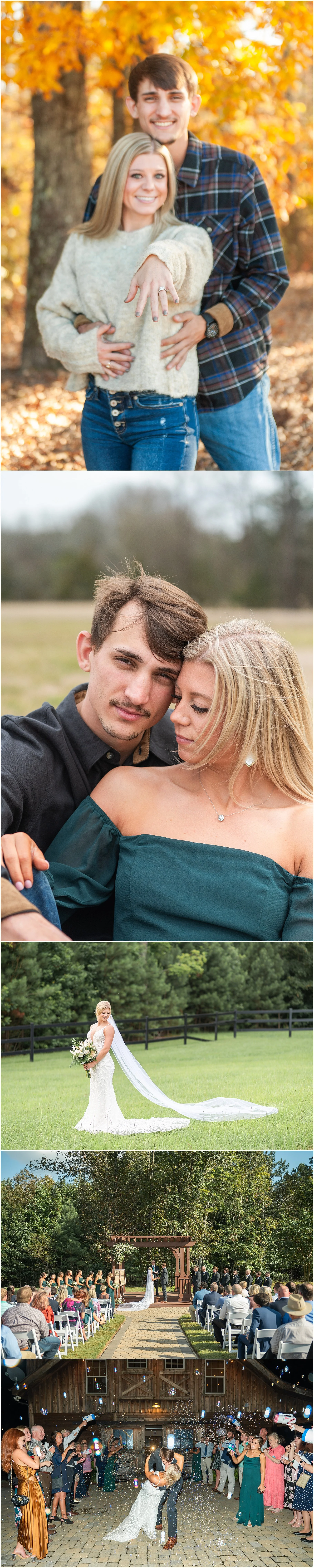
Find a photographer who can photograph your love story from the proposal, engagement session, bridal portraits, and through your wedding!
Booking a wedding photographer can seem overwhelming. There are so many options that can be offered or included in a wedding package! And some photographers get fancy and don’t even call them packages…they call them “investments” or “collections.” Whatever they’re called, here’s a breakdown of possible wedding package components to consider when booking your wedding photographer.
Initial Consultation - Before you book with a photographer, it is important to make sure you’re a good fit! The initial consultation gives you a chance to talk with potential photographers about your vision, their style, their workflow, expectations, and any questions you may have before deciding on a package, signing a contract, and paying a deposit/retainer.
Engagement Session - An engagement session is a great time for you to get comfortable in front of the camera while also developing a rapport with your photographer! It typically lasts about an hour and can include multiple outfit changes. Because your photographer gets to know you and what poses are most flattering and comfortable for you before your wedding day, it makes taking your wedding day portraits much easier!
Bridal Portrait Session - The bridal portrait session has two roles: it gives the bride a chance to do a practice run and make sure her hair, make-up, dress, and accessories work the way she wants them, and it gives her a chance to get some photos without the pressure of a wedding timeline to worry about! After all, you’ve spent hundreds, maybe thousands, on a dress—don’t miss out on the opportunity to take as many portraits in it as possible! Sessions typically last between an hour and a half to two hours.
Rehearsal/Rehearsal Dinner Coverage - Sometimes a couple wants the rehearsal and rehearsal dinner photographed, because there may be special guests, speeches, and moments that are important to have documented. It’s also a great opportunity for the photographer to see the flow of the ceremony so they can figure out the best strategy for the wedding day.
Wedding Day Coverage - The biggest need to consider for your wedding day is how many hours of the day you will want professionally photographed. For a microwedding or elopement, 2-4 hours may be enough. For a smaller wedding, 6 hours may be plenty of time. A standard wedding day is usually 8 hours, and if you want every last detail and getting-ready moment photographed, you may opt for 10-12 hours of coverage. It all depends on your desires as a couple!
Second Shooter - In order to capture every important moment of your big day, I highly recommend a second shooter! Two photographers can tag-team the getting ready phase, having one dedicated for the bride/bridesmaids and the other dedicated to the groom/groomsmen. A second shooter can help cover cocktail hour while the lead photographer takes all the large group portraits after the ceremony. Having another photographer at the ceremony and reception can also ensure that every important event is documented from multiple angles! And the biggest perk—you will receive more photos!
Same Day Slideshow - Some photographers offer a same-day slideshow, which is a slideshow of images captured throughout the day that are compiled to show off at the reception. This usually happens when there is a second shooter, so that the photographer creating the slideshow doesn’t miss any important moments.
Editing/Retouching of Images - After the wedding, your photographer will cull through all of the images taken. Culling is the process of picking the best images that tell the entire story of your day. Good photographers will not deliver every single image captured—they will get rid of duplicate, blurry, or unflattering shots, but don’t worry—they will not hold images hostage! The purpose of culling is to create the most visually appealing story of every moment of your day. After culling, the editing process includes cropping images for the best composition, adjusting exposure, color-correcting images, and finally, a photographer may retouch images, removing background distractions, enhancing compositions, and possibly removing blemishes or other unflattering elements. It’s important to discuss with the photographer to what extent you will want your images edited and retouched. ***Most photographers will not provide raw images to clients. A raw image is huge in size and can’t be opened by most photo viewing software. A raw image does not reflect a photographer’s artwork—it’s like asking a chef for all the raw ingredients of a meal.
Online Gallery - Most photographers will create an online digital gallery of all the images to share with you, sometimes for proofing and review, and other times, for sharing and downloading.
Digital Images - Some photographers offer a digital collection of all of the edited/retouched images, usually delivered via digital download or USB. If you know you will want all of the images in your online gallery, be sure to make sure your photographer offers this!
Print Release - If a photographer offers a digital collection of images, they will most likely also offer a print release, allowing you to share and print images for personal use. That does not give clients ownership of the copyright, however. Copyright of photographs, which protects images from being altered, stolen, or used by others without consent, will always belong to the photographer unless a copyright release is purchased, and those can be quite pricey! Commercial releases can also be purchased from photographers, which allow images to be sold, licensed, or used in advertising and marketing. ***Print releases do not allow distribution of images to other vendors, including venues, coordinators, florists, etc. Only the photographer can give permission for that. However, to build a good rapport and connect with others in the wedding industry, wedding photographers may offer to share a selection of images with vendors upon request, with their clients’ permission, of course!
Prints - Some photographers include print credits in their wedding packages, while others may offer the ability to order prints directly from an online gallery.
Album - Some photographers will also include wedding albums in their wedding packages. Albums can get expensive—the time designing them and professional printing can come with a hefty price tag. But, if you don’t have the creativity or time to put together your own album, having an album created for you can be well worth it! And having a professional create your album will ensure that the best photos and compositions are used to tell the best visual story of your day.
Travel and Accommodations - Depending on where your venue is and where your photographer lives, there may be travel fees and/or overnight accommodations required.
“Trash the Dress” Session - Get all dressed up after the wedding and take some FUN photos without the pressure of worrying about the schedule of a wedding day (and keeping your attire clean!). Go frolicking in the lake, or have a water balloon/Nerf gun war! The sky's the limit! (And you don’t really have to “trash” your dress!)
So yes, there is a LOT to think about when choosing a wedding package/collection/investment/whatever people call them. The best thing is to decide on your non-negotiables first, and then start investigating the photographers with packages that include all the things you want! And many photographers offer “a la carte” options or can create a custom package based on your needs, so don’t hesitate to ask if that is a possibility. The most important thing is that you feel taken care of…after all, you will be spending a lot of time with your photographer throughout your wedding day! Make sure it is someone who you not only trust with your images, but who you feel comfortable spending one of the most important days of your life with.
For more tips on finding the perfect wedding photographer for your big day, read my blog post What to Look For in a Wedding Photographer.
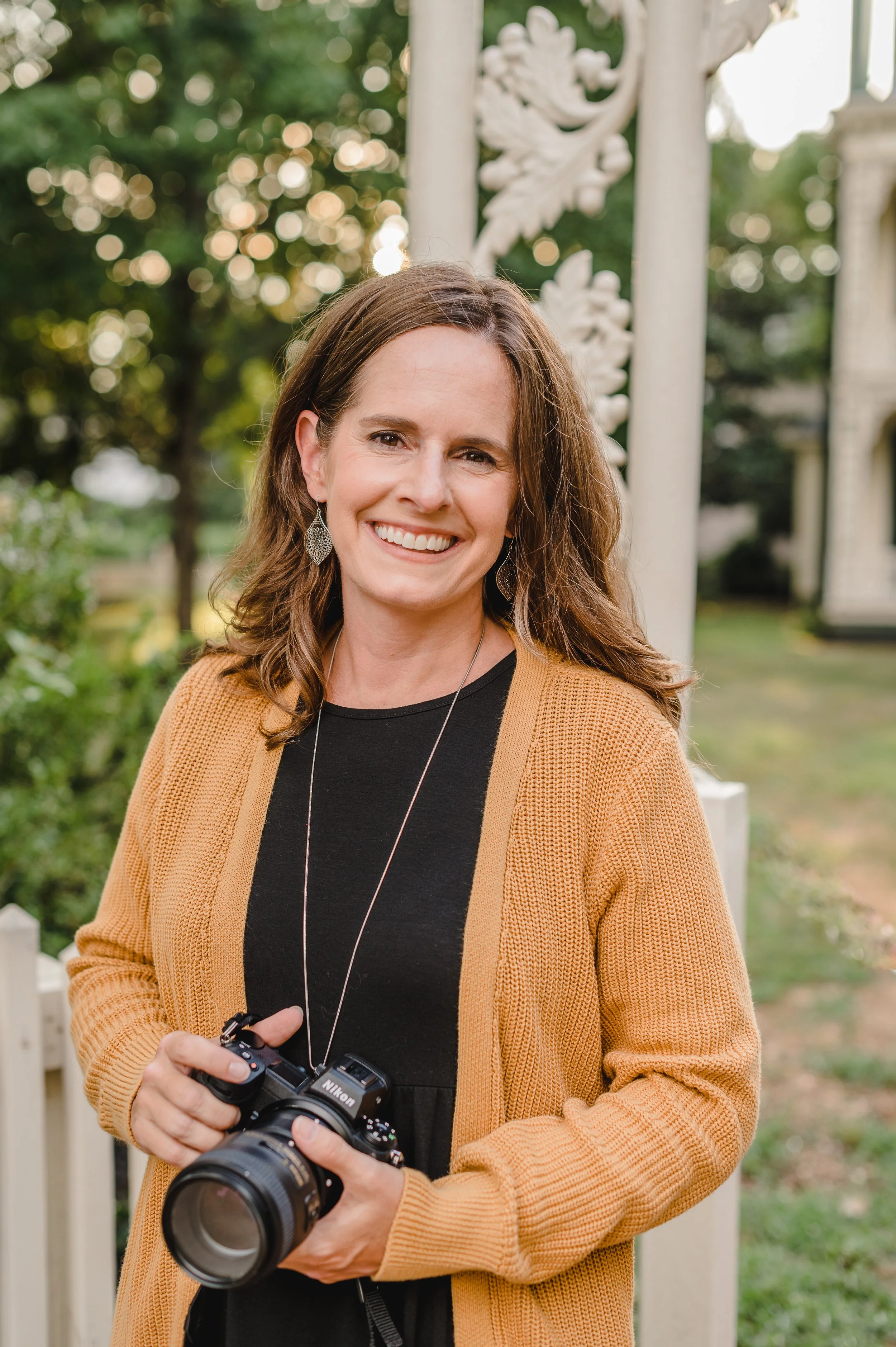
Kimberly Cauble…
…is a teacher and wedding & portrait photographer in the Charlotte, NC area who has been photographing families, seniors, and weddings since 2012. She has photographed over 95 weddings and loves people, the art of photography, and sharing what she has learned with others!
For inquiries, please click here!